
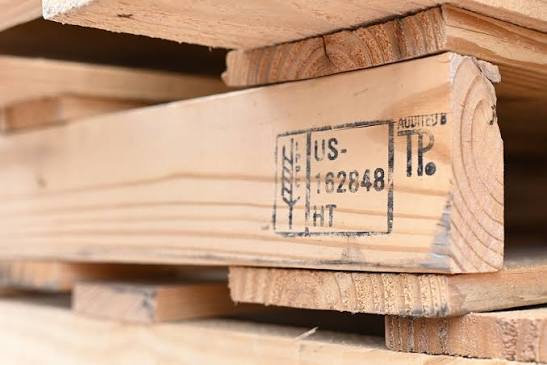
In the intricate world of global logistics and supply chain management, the humble pallet plays a pivotal role. Yet, not all pallets are created equal. For businesses engaged in international trade or handling sensitive goods, the choice of shipping platform is critical. This is where heat treated pallets have emerged as an indispensable asset, ensuring compliance, safety, and sustainability.
What Makes a Pallet “Heat Treated”?
A heat treated pallet (often marked with “HT”) is a wooden pallet that has undergone a rigorous phytosanitary process to eliminate pests, insects, and pathogens . Governed by the International Standards for Phytosanitary Measures No. 15 (ISPM 15), this process requires the wood’s core to be heated to a minimum temperature of 56°C (133°F) for at least 30 continuous minutes .
This isn’t just a surface treatment; probes ensure the heat penetrates the thickest parts of the wood, guaranteeing that any lurking organisms are eradicated . Once treated, the pallet is branded with a permanent IPPC mark, which includes a country code, a unique manufacturer number, and the treatment code “HT” . This stamp is your passport to seamless cross-border shipping.
Why Choose Heat Treated Pallets?
When you buy heat treated pallets, you’re investing in peace of mind and operational efficiency:
1. Unlocking Global Trade: The primary reason to buy heat treated pallets is for compliance. Failing to use ISPM 15-compliant packaging can result in costly delays, refusal of entry, or even destruction of your shipment at customs . For any exporter, using heat treated pallets for sale from a certified manufacturer is non-negotiable .
2. Safety and Hygiene: Unlike fumigation, which uses toxic chemicals like methyl bromide, heat treatment is chemical-free . This makes HT pallets the safer choice for transporting food, pharmaceuticals, and other sensitive products, leaving no harmful residues .
3. Durability and Performance: The heat treatment process also reduces the wood’s moisture content. This makes the timber more stable, less prone to warping or splitting, and more resistant to decay and mold growth . This results in a longer lifespan and a more reliable platform for heavy loads. Many heat treated pallets for sale are also kiln-dried to further reduce moisture, acting as a gold standard for mold prevention .
4. Sustainability: In an era of growing environmental consciousness, heat treatment is a greener alternative to chemical fumigation. Studies confirm that wooden pallets have a significantly lower carbon footprint than plastic alternatives, and heat treatment is more sustainable than using ozone-depleting chemicals like methyl bromide . Furthermore, these pallets are reusable, repairable, and at the end of their lifecycle, biodegradable .
Making the Right Choice
Whether you need new, recycled, or custom sizes, finding reliable suppliers of heat treated pallets for sale is crucial . When sourcing, ensure they are certified and carry the proper IPPC “HT” stamp. While the upfront cost of heat treated pallets can be slightly higher than untreated or fumigated options, the long-term benefits—including regulatory compliance, enhanced durability, and environmental responsibility—make them a cost-effective and intelligent investment for any modern supply chain .