
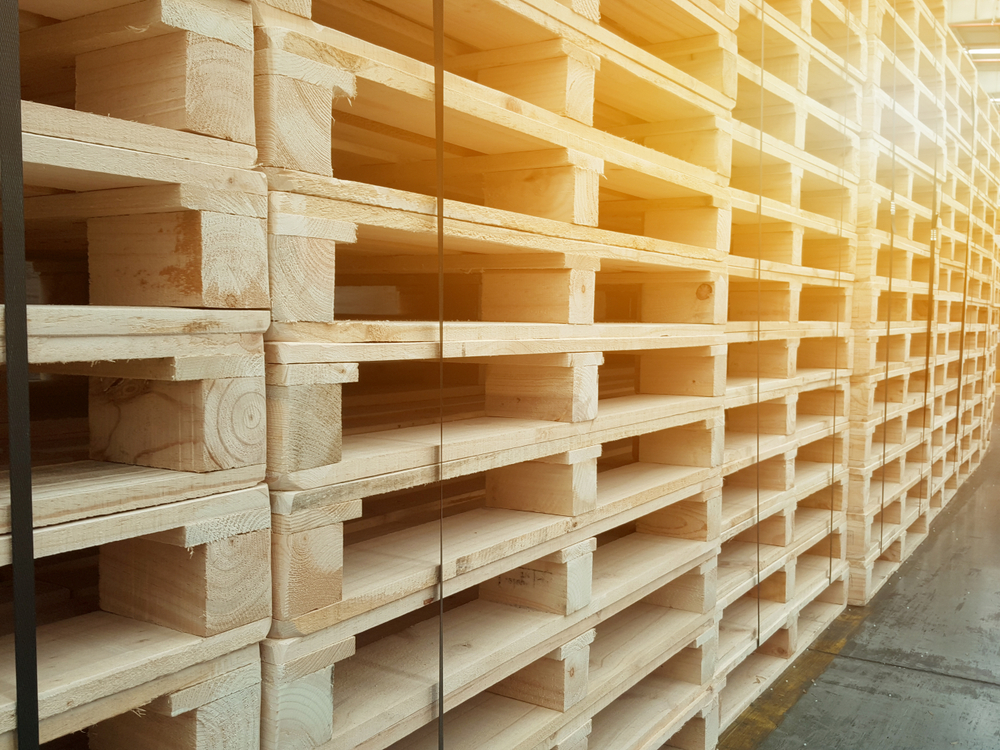
Most warehouse managers recognize the “HT” brand on a pallet stringer. Very few understand what it really means. Heat treatment is not a suggestion. It is a biological reset button. By raising the wood’s core temperature to 56°C for 30 continuous minutes, kilns kill every insect larvae, fungal spore, and nematode hiding below the surface. But the benefits extend far beyond pest control. Heat treatment stabilizes wood fibers, locks out excess moisture, and transforms a biodegradable raw material into a predictable industrial tool.
Without this process, your supply chain is gambling. Untreated wood sweats inside shipping containers. Mold blooms. Cargo absorbs odors. Customs inspectors flag entire shipments. One untreated pallet can ground a forty-foot container.
Where to Find Reliable Heat Treated Pallets for Sale
When you search for heat treated pallets for sale, you will encounter a confusing market. Many suppliers sell pallets that have been “surface heated” or “flash dried.” These are not compliant. Genuine heat treatment requires a certified kiln, a temperature probe embedded in the wood core, and a permanent stamp on two separate components of the pallet. Never accept stickers. Stickers fall off. Stamps are permanent.
Ask for the kiln session log. A legitimate supplier provides batch numbers linked to specific drying cycles. If they hesitate, walk away.
Choosing the Right Heat Treated Pallets Manufacturer
Not every wood shop can produce certified HT pallets. A professional heat treated pallets manufacturer invests in industrial kilns, continuous temperature monitoring systems, and ISPM-15 certification audits. They also understand that different wood species behave differently under heat. Pine dries quickly but may develop surface checks. Oak takes longer but emerges stronger. A skilled manufacturer adjusts cycle times species by species.
Additionally, reputable manufacturers avoid methyl bromide entirely. This chemical fumigant is banned in 176 countries, yet some producers still use it for non-export pallets. Demand HT only. Chemical residues have no place in food or pharmaceutical supply chains.
The Role of a Certified Heat Treated Pallets Supplier
Distribution matters as much as production. A reliable heat treated pallets supplier stores inventory indoors, away from ground moisture and pest reinfestation. An HT stamp means nothing if the pallet sits in a muddy yard for six months before delivery. Rain, standing water, and bird droppings reintroduce exactly what the kiln removed.
The best suppliers also offer third-party inspection reports. They invite your quality team to audit their storage conditions. They know that transparency separates professionals from commodity traders.
Meeting Middle East Standards: Heat Treated Pallets for Sale in UAE
The United Arab Emirates presents unique challenges. Summer temperatures exceed 50°C. Humidity at Jebel Ali Port swings wildly. Untreated pallets warp, crack, and mold within weeks. Consequently, heat treated pallets for sale in UAE must arrive with moisture content below 18 percent and a clear HT stamp on every single unit.
Dubai Customs has recently intensified spot checks on wooden packaging. Any pallet lacking proper treatment is subject to on-site fumigation, detention fees, and cargo holds. One rejected shipment can cost thousands. Do not take that risk.
Always source from UAE-based suppliers who maintain their own kiln facilities or partner with EPAL-certified European manufacturers. Request the phytosanitary certificate with every batch. In desert logistics, heat treatment is not optional. It is survival.