Euro pallets are the backbone of efficient logistics operations across the UAE and beyond. Whether you are running a warehouse in Dubai, managing exports from Jebel Ali Port, or operating a manufacturing facility in Abu Dhabi, understanding the cost of Euro pallets helps you plan your budget and optimize your supply chain. The price of a Euro pallet varies significantly depending on whether it is new, used, repaired, or custom-sourced, as well as its condition, certification, quantity ordered, supplier, and delivery location. This guide breaks down the factors that influence Euro pallet pricing so you can make an informed purchasing decision.
What Is a Euro Pallet?
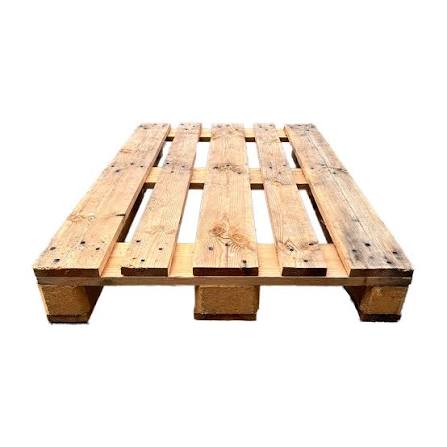
A Euro pallet, also known as a EUR pallet, is a standardized wooden pallet with dimensions of 800 × 1,200 mm and a height of 144 mm . It consists of eleven boards, nine blocks, and 78 specialized nails, designed for four-way forklift and pallet jack entry. The standard Euro pallet typically weighs around 25 kilograms and can carry dynamic loads of up to 1,500 kilograms .
The key distinction lies in EPAL certification. The European Pallet Association (EPAL) sets strict production and quality requirements for genuine EPAL Euro pallets. These pallets carry specific markings, including the EPAL logo, production year, and licensee number . EPAL pallets undergo independent quality inspections and are heat-treated according to ISPM 15 requirements, making them suitable for international shipping . When you see “EPAL” stamped on a pallet, you are looking at a load carrier that meets defined construction standards and can be exchanged within the global EPAL pallet pool.
How Much Does a Euro Pallet Cost?
There is no single fixed price for a Euro pallet. Costs range widely based on condition, certification, and market factors. As a general reference, new EPAL Euro pallets typically cost between €15 and €22 per unit in small quantities, while bulk orders can bring the price down to €10–13 per pallet . Used Euro pallets are significantly cheaper, with prices starting from around €5–9 depending on condition and grade .
New Euro Pallets
New EPAL-certified pallets command the highest prices because they offer maximum load capacity, clean appearance, and full compliance with international standards. In the UAE, expect to pay a premium for new pallets that are bright, clean, and free from any signs of use. These are ideal for export operations, pharmaceutical handling, and food-grade applications where hygiene and appearance matter.
Used Euro Pallets
Used Euro pallets are the cost-effective alternative for many businesses. Prices depend heavily on the grade of the pallet, ranging from Class A (nearly new, minimal wear) to Class C (heavily used but functional) . Used pallets are suitable for internal warehousing, domestic transport, and applications where appearance is less critical than functionality.
Repaired Euro Pallets
Reconditioned or repaired Euro pallets sit between new and used options in terms of both price and quality. These pallets have been inspected, repaired, cleaned, and sorted to ensure structural reliability. Repairs may include replacing broken boards, tightening nails, and reinforcing structural components . Repaired pallets offer a practical balance of cost and reliability for businesses that need dependable performance without paying new-pallet prices.
Bulk Orders
Ordering in larger quantities typically reduces the per-unit cost. Suppliers often offer tiered pricing for orders exceeding 50, 100, or 500 pallets . For businesses with regular high-volume requirements, negotiating bulk pricing can significantly lower overall pallet costs.
What Affects the Price of a Euro Pallet?
Understanding the factors that influence pricing helps you negotiate better deals and choose the right pallet for your needs.
New vs. Used Condition
Condition is the single biggest price determinant. New pallets cost roughly two to three times more than used alternatives. The price difference reflects not only the absence of wear but also the superior structural integrity and appearance that new pallets offer.
EPAL Certification
Genuine EPAL-certified pallets carry a premium over generic 800 × 1,200 mm wooden pallets. This premium covers standardized construction, independent quality control, required markings, and eligibility for the global EPAL exchange pool .
Wood Quality
The type and quality of wood used in pallet construction affects durability and price. Hardwood pallets generally offer greater strength and longevity than softwood alternatives, and EPAL standards specify acceptable wood species for genuine Euro pallets .
Repairs and Structural Condition
Pallets requiring significant repairs—replacing multiple boards, damaged blocks, or structural components—involve higher refurbishment costs. The labour and materials needed to restore a pallet directly affect its final price .
Quantity Ordered
Volume discounts are standard in the pallet industry. The more pallets you order, the lower the per-unit cost, as suppliers can plan production and logistics more efficiently .
Supplier Location
Suppliers based in different emirates or regions may have different pricing structures based on local availability, transport routes, and operating costs. Comparing multiple suppliers is essential for getting the best deal.
Delivery and Transportation
Delivery costs vary based on distance from the supplier’s facility and order volume. A supplier in Sharjah may have different delivery charges for shipments to Dubai, Abu Dhabi, or other emirates . Always factor delivery into your total cost calculation.
International Shipping Requirements
If your pallets are intended for export, they must comply with ISPM 15 regulations, requiring heat treatment and IPPC marking . Heat treatment adds to the cost but ensures customs clearance without delays.
Availability and Market Demand
Timber prices and general market conditions influence pallet pricing. During periods of high demand or when raw material costs rise, prices can increase .
New vs. Used Euro Pallets
The choice between new and used pallets depends entirely on your application. New Euro pallets offer consistent specifications, maximum load capacity, and clean appearance—essential for industries requiring strict hygiene standards or export compliance. They represent the safest option for international shipments and automated warehouse systems.
Used Euro pallets, however, provide excellent value for internal operations. When properly inspected and graded, used pallets can handle most warehousing and domestic transport tasks at a fraction of the cost. Reconditioned pallets offer a middle ground, with structural repairs ensuring reliability for demanding applications without the premium of new pallets.
Are EPAL Euro Pallets More Expensive?
EPAL-certified Euro pallets typically cost more than generic wooden pallets of the same dimensions. This price difference reflects several factors: standardized construction with defined materials and nail patterns, independent quality control by recognized inspection companies, required EPAL markings that verify authenticity, and eligibility for exchange within the EPAL pallet pool .
For UAE exporters shipping to European markets, using genuine EPAL pallets is often a requirement for smooth customs clearance and integration with automated warehouse systems . The higher upfront cost is offset by interchangeability, reliability, and global recognition.
What Should You Check Before Buying a Euro Pallet?
Before purchasing Euro pallets, conduct a thorough inspection to ensure they meet your requirements:
- Correct dimensions: Verify the pallet measures 800 × 1,200 mm with a height of 144 mm.
- EPAL markings: Confirm the presence of the EPAL logo, production year, and licensee number where certification is required.
- Wood condition: Check for cracks, splinters, or signs of decay that could compromise structural integrity.
- Broken or missing boards: Inspect all eleven top deck boards for damage or absence.
- Damaged blocks: Examine the nine blocks for cracks or breakage.
- Nail condition: Ensure nails are secure and not protruding or rusted.
- Signs of contamination or moisture damage: Look for mould, water stains, or chemical exposure.
- Repair markings: For repaired pallets, verify that repairs were performed by an EPAL-licensed operation and carry the required control seal .
- Heat-treatment/IPPC marking: For international shipping, confirm the pallet bears the IPPC stamp indicating ISPM 15 compliance .
EPAL states that its Euro pallets are heat-treated according to ISPM 15 requirements and carry relevant markings, ensuring they can be used across borders without phytosanitary issues .
How to Reduce Euro Pallet Costs
Smart procurement strategies can significantly reduce your pallet expenses:
- Buy in bulk: Larger orders typically qualify for volume discounts.
- Compare multiple suppliers: Prices vary between suppliers, so obtain quotes from several sources.
- Consider inspected used pallets: For internal applications, high-grade used pallets offer substantial savings.
- Negotiate delivery costs: Transportation can represent a significant portion of total cost; discuss delivery terms with suppliers.
- Choose the appropriate pallet grade: Match the pallet grade to your actual operational requirements rather than defaulting to new pallets for every application.
- Order according to actual needs: Avoid over-ordering or maintaining excess inventory.
How to Choose the Right Euro Pallet for Your Business
Selecting the right Euro pallet requires matching pallet specifications to your operational requirements:
- Load requirements: Determine the maximum weight your pallets need to support and select accordingly.
- Storage system: Ensure pallets are compatible with your racking, shelving, or stacking systems.
- Forklift/pallet-jack handling: Confirm the pallet design allows for safe handling with your equipment.
- Domestic vs. international transportation: Export applications require ISPM 15 compliance and IPPC marking.
- Reuse requirements: Consider how many cycles you need from each pallet and whether exchange programs suit your operations.
- Budget: Balance upfront cost against long-term reliability and replacement frequency.
For UAE businesses operating in logistics, warehousing, manufacturing, or export, Euro pallets represent a sound investment when matched to the right application. By understanding the factors that drive pricing and conducting careful inspections before purchase, you can secure the right pallets at the right price for your operation.