
Introduction
Euro pallets are widely used in warehouses, factories, distribution centres, and logistics operations to store and transport goods. They provide a stable platform for products and allow forklifts and pallet jacks to move loads efficiently. However, one of the most important questions businesses ask before purchasing pallets is: how much weight can a Euro pallet hold?
The answer depends on the pallet’s material, construction, condition, and how the load is supported. Standard wooden Euro pallets are commonly associated with a load capacity of up to 1,500 kg under specified conditions, but this should not be treated as a universal rating for every pallet or application.
Understanding the different load ratings helps businesses select suitable pallets, reduce product damage, and improve warehouse safety.
What Is the Standard Weight Capacity of a Euro Pallet?
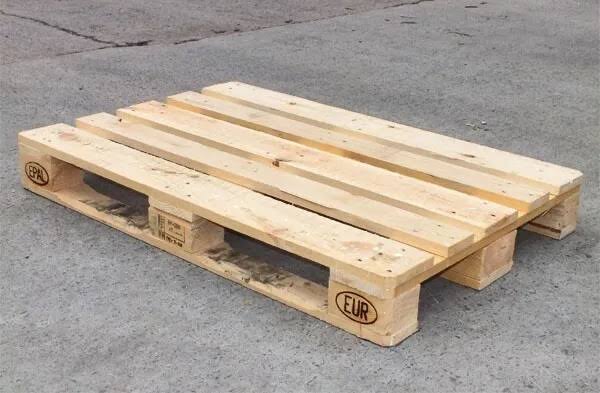
A standard Euro pallet commonly measures 1200 × 800 mm. Many EPAL wooden Euro pallets have a stated safe working load of up to 1,500 kg when the load is properly distributed and the pallet is used under the specified conditions.
However, a pallet’s capacity is not determined by its dimensions alone. Its design, timber quality, condition, load distribution, and support system all influence how much weight it can safely carry.
Before loading a pallet, check its specifications and any applicable manufacturer or certification guidance.
Understanding the Three Types of Pallet Load Capacity
Pallet capacity is generally described using three different ratings. Understanding them is essential because a pallet that supports a heavy load on the floor may not be suitable for the same load on warehouse racking.
1. Static Load Capacity
Static load capacity refers to the weight a pallet can support when it is stationary on a suitable, level surface.
For example, a pallet may support a heavy stack of packaged goods while standing on the warehouse floor. However, that does not mean the same pallet can safely support the identical weight during movement or while resting on racking.
2. Dynamic Load Capacity
Dynamic load capacity refers to the weight a pallet can carry while being moved using equipment such as a forklift or pallet jack.
Movement introduces additional forces, particularly when the load is lifted, lowered, or transported over uneven surfaces. The pallet must be suitable for the handling method and the weight being transported.
3. Racking Load Capacity
Racking load capacity refers to the weight a pallet can safely support when placed on warehouse racking.
In this situation, the pallet may be supported only at specific points or along particular edges. This can create different stresses from those experienced when the pallet rests on a solid floor.
Important: Static, dynamic, and racking capacities are different. Never assume that a pallet’s highest stated capacity applies to all three situations.
What Factors Affect Euro Pallet Weight Capacity?
Several factors determine how much weight a Euro pallet can safely hold.
1. Pallet Material
Wooden and plastic Euro pallets have different structural characteristics.
Wooden Euro pallets: These are widely used in industrial and commercial applications. Their load capacity depends on timber quality, construction, fasteners, and overall condition.
Plastic Euro pallets: Their capacity varies by model and design. Some are suitable for heavy loads, while others are intended for lighter goods or specific handling systems.
Steel pallets may also be suitable for specialized heavy-duty applications, depending on their design.
2. Load Distribution
Weight should be distributed evenly across the pallet wherever possible. If most of the weight is concentrated in one corner or a small area, the pallet may experience excessive stress.
Products should be arranged securely, and the load should not extend beyond the pallet edges unless the pallet and handling arrangement are specifically designed for that configuration.
3. Pallet Condition
Damaged pallets may have a lower safe working capacity than new or properly maintained pallets.
Before use, inspect wooden pallets for broken boards, loose nails, damaged blocks, cracks, and signs of deterioration. Plastic pallets should be checked for cracks, deformation, and damaged supports.
Avoid using pallets with structural damage for heavy loads.
4. Handling Equipment
Forklifts and pallet jacks support pallets in different ways. Incorrect fork positioning, sudden movement, or uneven ground can increase stress on the pallet.
Make sure the pallet is compatible with the handling equipment and that the forks are positioned correctly before lifting.
5. Storage Conditions
Moisture, temperature changes, repeated impacts, and prolonged use can affect pallet performance. Wooden pallets may weaken through rot or deterioration, while plastic pallets may be affected by material properties, heat, ultraviolet exposure, and damage.
Businesses operating in the UAE should consider warehouse temperatures, outdoor exposure, and storage conditions when choosing pallets.
How Much Weight Can a Wooden Euro Pallet Hold?
Wooden Euro pallets are popular because they are widely available and can offer a practical balance of strength and cost.
A certified EPAL wooden Euro pallet may have a safe working load of up to 1,500 kg under the specified conditions. Actual capacity still depends on the load arrangement and application.
For example, a pallet holding evenly distributed cartons on a solid warehouse floor may perform differently from one carrying concentrated machinery loads or one placed on racking.
Businesses should confirm the rating of the specific pallet rather than relying only on a general capacity figure.
How Much Weight Can a Plastic Euro Pallet Hold?
Plastic Euro pallets are available in different designs and load ratings. Their capacity can vary significantly depending on the type of plastic, reinforcement, deck construction, and support structure.
Some models are designed for heavy industrial applications, while others are intended for lighter goods or automated handling systems.
When purchasing plastic Euro pallets, check:
- Static load capacity.
- Dynamic load capacity.
- Racking load capacity.
- Compatibility with forklifts, pallet jacks, and conveyors.
- Resistance to the temperatures and conditions in which the pallets will be used.
A manufacturer’s technical specification is the best source for confirming the safe working capacity of a particular plastic pallet.
How to Choose the Right Euro Pallet for Heavy Loads
Selecting the right pallet requires more than knowing the total weight of the products.
Calculate the complete load: Include the weight of all products, packaging, and any other items placed on the pallet.
Check the load arrangement: Consider whether the goods are evenly distributed or concentrated in a small area.
Identify the handling method: Determine whether the pallet will remain on the floor, move by forklift, or be stored on racking.
Inspect the pallet: Confirm that it is in suitable condition for the intended load.
Review technical specifications: Use the pallet manufacturer’s or certification body’s stated ratings.
Consider safety requirements: Ensure the pallet, handling equipment, and storage system are suitable for the combined load and operating conditions.
For very heavy, fragile, or unusually shaped products, a purpose-built pallet may be more appropriate than a standard model.
Common Mistakes to Avoid When Loading Euro Pallets
Businesses can reduce pallet failures by avoiding these common mistakes:
- Treating static capacity as the dynamic or racking capacity.
- Loading products unevenly or concentrating weight in one area.
- Using cracked, broken, or badly repaired pallets.
- Exceeding the stated capacity of the pallet.
- Placing pallets on unsuitable or uneven supports.
- Ignoring forklift compatibility and correct fork positioning.
- Assuming all Euro-format wooden or plastic pallets have identical load ratings.
Following the manufacturer’s specifications and warehouse safety procedures helps protect workers, goods, and equipment.
Frequently Asked Questions
Can a Euro pallet hold 1,000 kg?
A suitable Euro pallet may be able to hold 1,000 kg, but this depends on the pallet’s specifications, condition, load distribution, and whether it is stationary, moving, or stored on racking.
Can a Euro pallet hold 1,500 kg?
Some certified wooden Euro pallets are rated for a safe working load of up to 1,500 kg under specified conditions. The rating should not automatically be applied to every pallet or storage arrangement.
Are plastic Euro pallets stronger than wooden ones?
Not necessarily. Strength depends on the design, material, and load rating. Compare the technical specifications of the actual pallet mo