
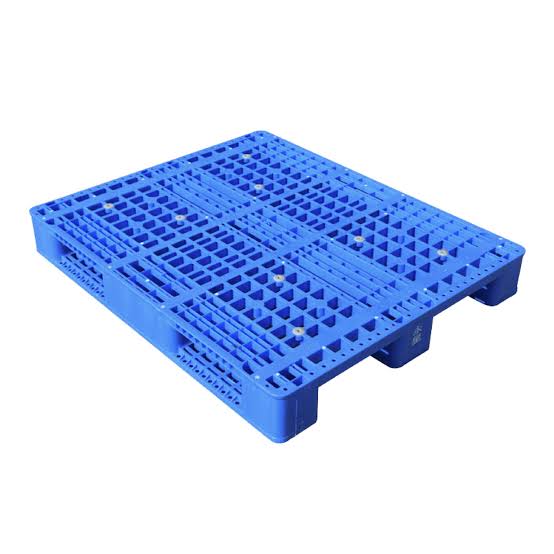
In the rapidly evolving landscape of supply chain management, the shift from traditional materials to high-performance solutions is reshaping how goods are handled. While wood has been the default for decades, a quiet revolution is taking place on loading docks worldwide. As operations seek consistency, hygiene, and long-term savings, plastic pallets have emerged as the strategic choice for forward-thinking businesses. When you buy plastic pallets, you are not just purchasing a platform; you are investing in operational intelligence.
The Engineered Advantage
Unlike their wooden counterparts, plastic pallets are precision-engineered products, typically manufactured through injection-molding or thermoforming using high-density polyethylene (HDPE) or polypropylene (PP) resin . This manufacturing process allows for exact replication, batch after batch, ensuring dimensional consistency that is vital for automated environments . This is a critical advantage over wood, where natural variability can cause warping, splintering, or dimensional shifts due to humidity . The result is a platform that delivers reliable, repeatable performance for every trip .
Long-Term Value and Performance
The initial price tag of plastic pallets for sale is higher than that of wood, but the total cost of ownership tells a different story . The superior durability of plastic offers substantial financial benefits over the long run. Data indicates that a typical wooden pallet may last for 5 to 11 cycles before requiring repair or replacement, whereas an industrial-grade plastic pallet can endure 250 cycles or more . This longevity, which can span a decade, drastically reduces the frequency of replenishment and associated administrative burdens . As one industry observer noted, a higher-performing pallet costing 30% more reduced a company’s annual purchases by close to 90% .
Hygiene and Safety in Regulated Industries
For sectors where cleanliness is paramount, such as food, beverage, and pharmaceuticals, the advantages of plastic pallets are decisive. Wood is porous and can absorb moisture, creating a breeding ground for bacteria and making it nearly impossible to sanitize effectively . In contrast, plastic has a smooth, non-porous surface that resists microbial growth and is easy to clean, either manually or with a pallet washer . Furthermore, choosing plastic eliminates the risks associated with splinters and protruding nails, enhancing workplace safety and protecting the integrity of the goods being shipped .
Environmental and Logistical Gains
The sustainability of plastic pallets is a crucial consideration. They often incorporate recycled materials and are fully recyclable at the end of their life, supporting a circular economy . Their lightweight nature translates to lower fuel consumption during transport. Moreover, certain designs, like nestable pallets, can significantly optimize space—a truck can hold up to 1,500 nestable plastic pallets compared to roughly 450 wooden ones, reducing shipping and return logistics costs . For international shipping, they are exempt from the ISPM 15 phytosanitary regulations that require wood pallets to be heat-treated or fumigated, eliminating costly delays at customs .