
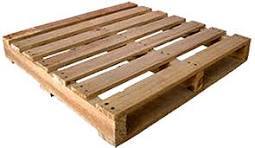
Export Quality Wooden Pallets: ISPM-15 Explained
International trade involves the movement of goods across borders, and many of these goods are transported on wooden pallets. While pallets make shipping easier and more efficient, untreated wood can carry insects, larvae, or plant diseases that may harm forests and agriculture in other countries. To prevent this risk, international regulations were introduced. One of the most important standards for wooden packaging materials is ISPM-15. Understanding this standard is essential for businesses involved in global shipping.
What Is ISPM-15?
ISPM-15 stands for International Standards for Phytosanitary Measures No. 15. It is a global regulation created by the International Plant Protection Convention (IPPC) to control the spread of pests through wooden packaging materials. The rule applies to items such as wooden pallets, crates, boxes, and dunnage used in international trade.
The main goal of ISPM-15 is to ensure that wood used in export packaging is properly treated to eliminate harmful insects and organisms. Without this treatment, pests hidden inside wood could spread to new environments and cause significant ecological and economic damage.
Why ISPM-15 Compliance Is Important
Export quality wooden pallets must comply with ISPM-15 requirements if they are used for international shipments. Many countries strictly enforce this regulation, and shipments using untreated pallets may be rejected, delayed, or even destroyed at the port of entry.
Compliance ensures that goods move smoothly through customs and reduces the risk of costly shipping delays. For exporters, using ISPM-15 certified pallets also demonstrates professionalism and adherence to international trade standards.
Approved Treatment Methods
ISPM-15 specifies approved treatment methods to eliminate pests from wooden packaging materials. The most commonly used method is heat treatment (HT). In this process, wood is heated until its internal temperature reaches at least 56°C for a minimum of 30 minutes. This temperature effectively kills insects, larvae, and other harmful organisms.
Another treatment method allowed under ISPM-15 is methyl bromide fumigation (MB). This involves exposing the wood to a chemical gas that eliminates pests. However, due to environmental concerns, many countries prefer heat treatment over chemical fumigation.
ISPM-15 Marking and Identification
After wooden pallets are treated, they must be stamped with a specific ISPM-15 mark. This mark is recognized internationally and confirms that the pallet has met the required treatment standards.
The stamp usually includes:
The IPPC symbol
A country code showing where the pallet was treated
A producer or treatment provider number
The treatment method code, such as HT for heat treatment or MB for fumigation
This marking replaces the need for separate certificates in many cases and allows customs authorities to quickly verify compliance.
Benefits of Using Export-Quality Pallets
Using ISPM-15 compliant wooden pallets provides several advantages for exporters. First, it prevents the spread of harmful pests, protecting forests and agricultural resources. Second, it ensures smoother customs clearance, reducing delays in international shipments. Third, it helps businesses maintain credibility and reliability in global markets.
Conclusion
Export quality wooden pallets that comply with ISPM-15 standards are essential for safe and efficient international trade. By following proper treatment procedures and displaying the official marking, companies can ensure that their shipments meet global phytosanitary requirements. In addition to protecting ecosystems, ISPM-15 compliance helps businesses avoid costly delays and maintain smooth operations in global supply chains.