
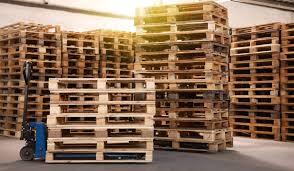
In the world of logistics and transportation, controlling costs is essential for maintaining profitability. Shipping expenses can quickly rise due to fuel prices, labor charges, packaging materials, and product damage. One practical way businesses reduce shipping costs is by using wooden pallets. These simple yet effective platforms offer multiple financial advantages that make them a preferred choice in supply chains worldwide.
Affordable Initial Investment
One of the primary cost benefits of wooden pallets is their low purchase price. Compared to plastic or metal alternatives, wooden pallets are generally more affordable to manufacture and buy. Wood is widely available, and the production process is straightforward, which keeps pricing competitive. For companies that require large quantities of pallets, this lower upfront cost makes a significant difference in overall shipping budgets.
Additionally, businesses can choose from different grades of wooden pallets, including new, recycled, or refurbished options. This flexibility allows companies to match their pallet purchase with their financial capacity and operational needs.
Repair and Reuse Savings
Wooden pallets are easy to repair. If a board cracks or a nail becomes loose, the damaged part can be replaced without discarding the entire pallet. This repairability extends the pallet’s lifespan and reduces the need for constant replacement. Over time, these small savings add up and lower total operational expenses.
Reusability also plays a major role in cost efficiency. A single wooden pallet can be used for multiple shipping cycles. Companies that operate closed-loop systems—where pallets are returned after delivery—benefit even more from long-term reuse.
Reduced Product Damage
Shipping damage can be expensive. Broken goods lead to customer complaints, returns, and replacement costs. Wooden pallets provide a stable base that secures products during transit. Their strength helps distribute weight evenly and prevents shifting during transportation.
By minimizing product damage, businesses reduce losses and protect their reputation. The savings gained from preventing damaged shipments often exceed the initial cost of the pallets themselves.
Lower Transportation Costs
Wooden pallets contribute to efficient loading and space utilization. Their standardized sizes allow for organized stacking in trucks and shipping containers. Better space management means more products can be transported in fewer trips, lowering fuel and transportation expenses.
Although wooden pallets are sturdy, they are not excessively heavy. This balance between strength and weight helps control freight costs, especially when shipping large volumes of goods.
Recycling and Resale Value
Even when wooden pallets reach the end of their usable life, they still offer financial value. Used pallets can be sold to recycling companies or pallet refurbishers. Some businesses grind damaged pallets into wood chips or use them for energy production. This ability to recover value reduces waste and provides an additional return on investment.
Conclusion
Wooden pallets provide multiple cost benefits for shipping operations. Their affordable purchase price, repairability, reusability, and ability to reduce product damage make them a smart financial choice. In addition, efficient loading and resale opportunities further increase their value. For businesses seeking to control logistics expenses without compromising performance, wooden pallets remain one of the most practical and economical solutions available.